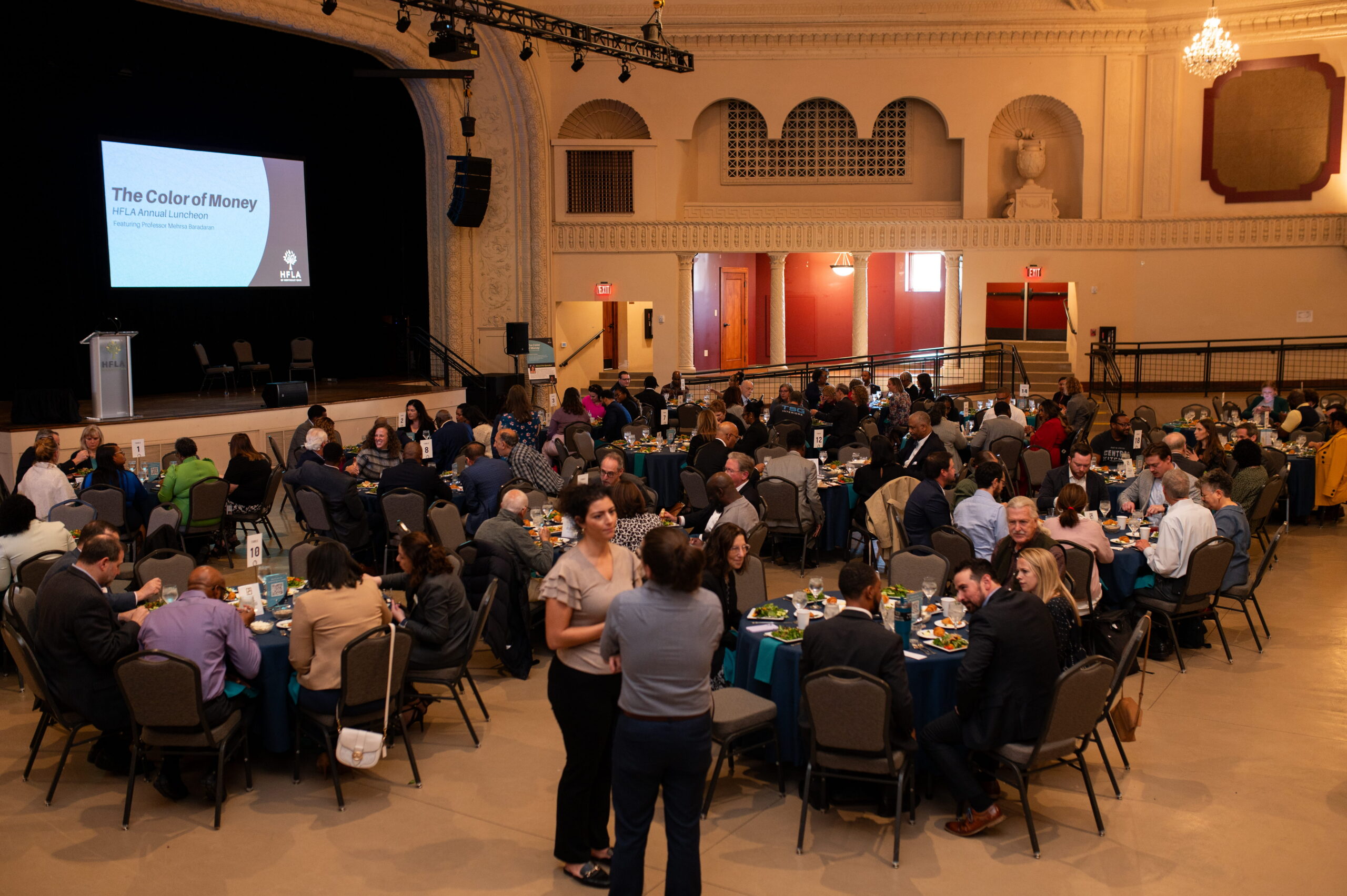
HFLA’s 2024 Annual Luncheon featuring: Mehrsa Baradaran
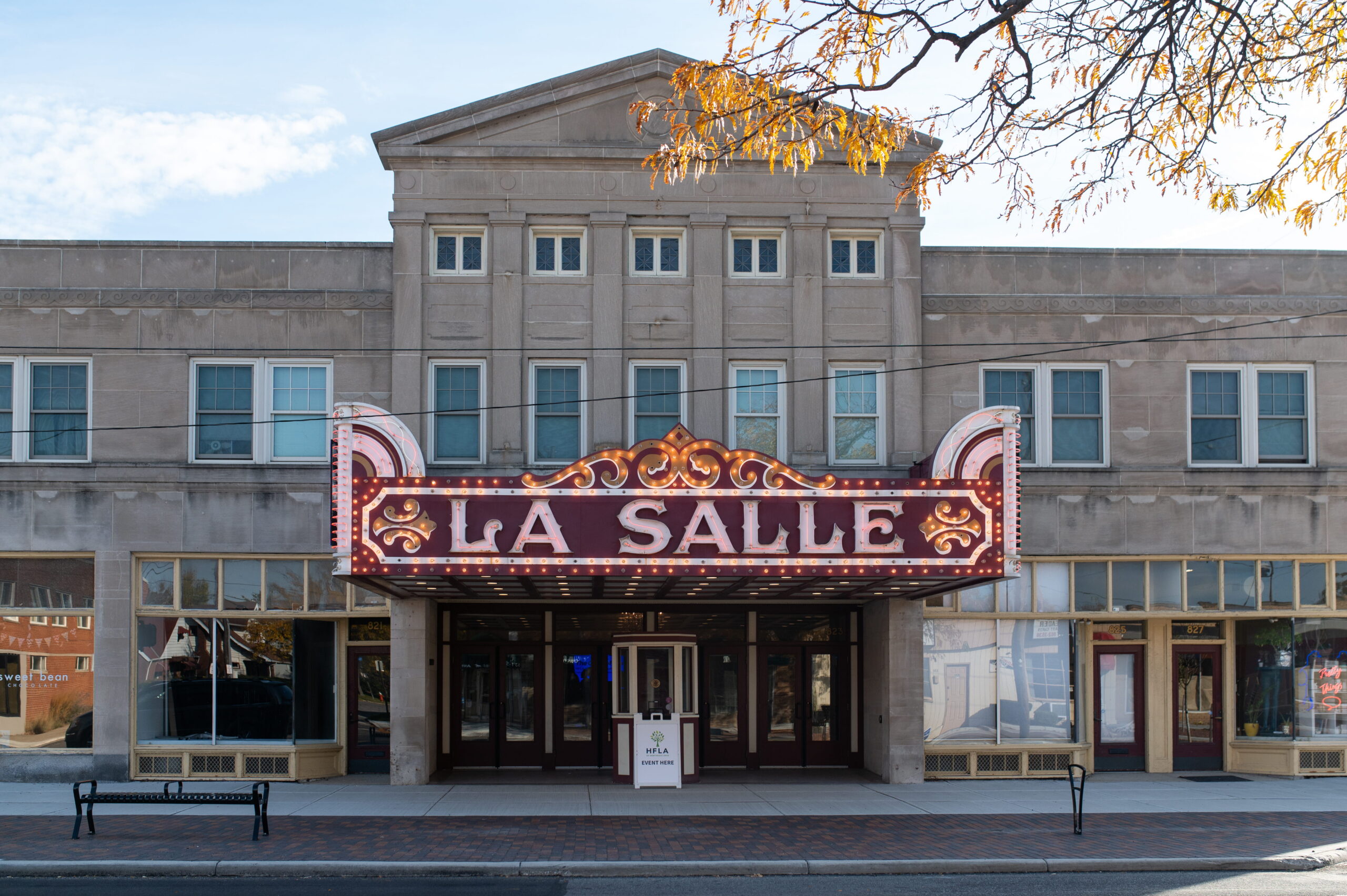
Wednesday, October 23, 2024 | 11:30 AM-1:30 PM | Ariel LaSalle Theatre (823 East 185th Street)
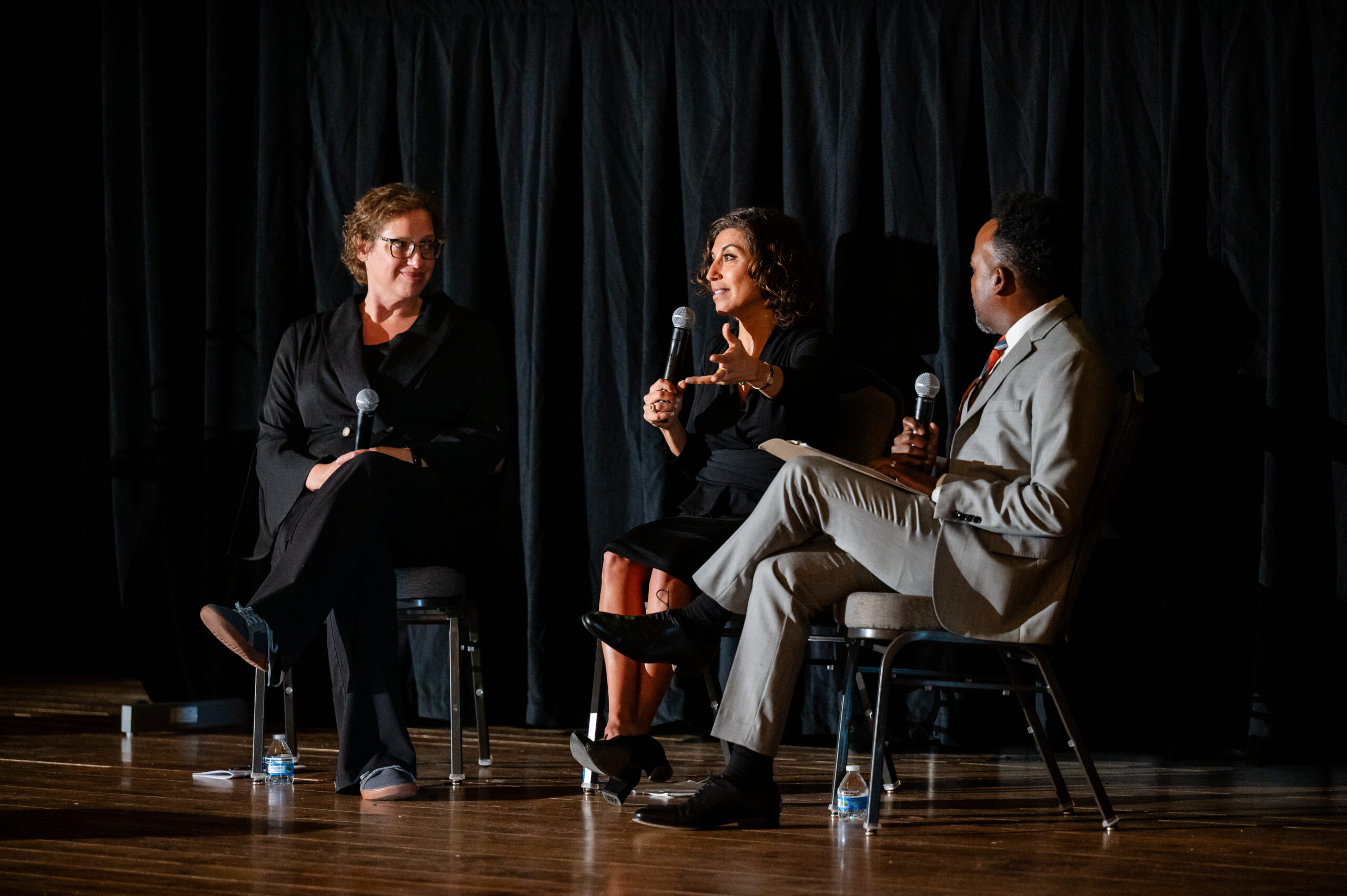
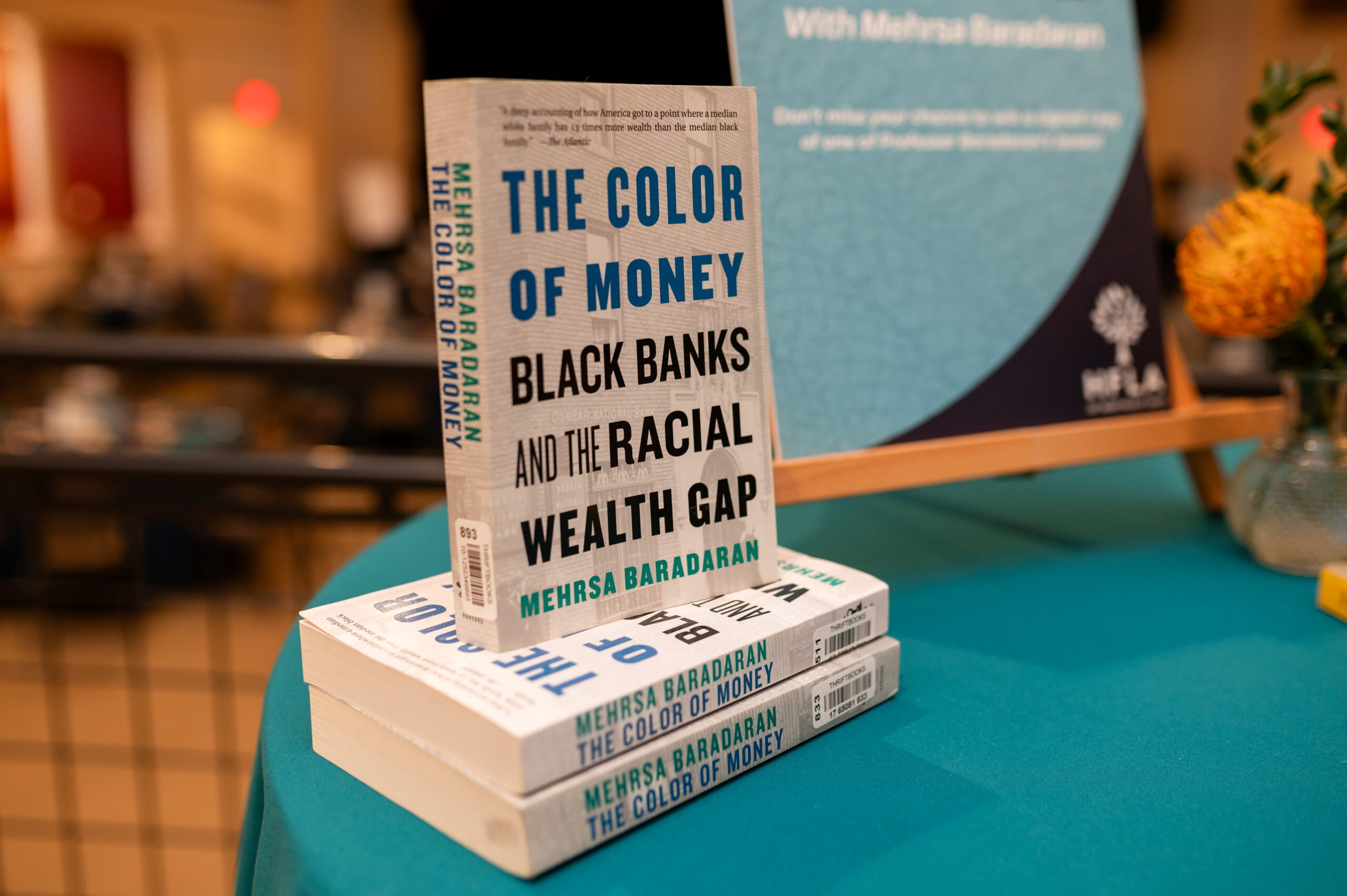

 Mehrsa Baradaran is a law professor at the University of California-Irvine Law. She has written extensively on banking law, financial inclusion, inequality, and the racial wealth gap. Her writing includes the books How the Other Half Banks and The Color of Money: Black Banks and the Racial Wealth Gap. The book The Color of Money examines the financial structures and policies that have helped create and maintain racial inequities in the United States.
She brings back the “…clear line from past discrimination to present poverty.”
 The relevance to HFLA and our Mission:
HFLA was founded in 1904 when 5 Jewish men in Northeast Ohio pooled their resources and brought the Jewish Free Loan Society model to Cleveland.
Before the 1930s, access to commercial credit was severely limited to the vast majority of most Americans, and all but nonexistent for people of color. Without access to capital—no matter how small—many immigrant Jews would be unable to buy homes, access education, or start the small businesses that helped build wealth within the community.
These loan societies were “based on the biblical and Talmudic concept of providing the Jewish poor with interest-free loans.” Scholars considered the interest-free loan among the higher forms of tzedakah (a Hebrew word that means “righteousness” or “justice”) because it respects the dignity of the borrower, provides him with a means of self-sufficiency, and does not saddle him with a large debt.
Over time, Jews were not as actively excluded from the formal financial systems. Other races and groups did not assimilate as white and are still not able to access these systems freely. Today, 60% of HFLA’s lending happens in Black and Brown communities.